Muga Silk Yarn
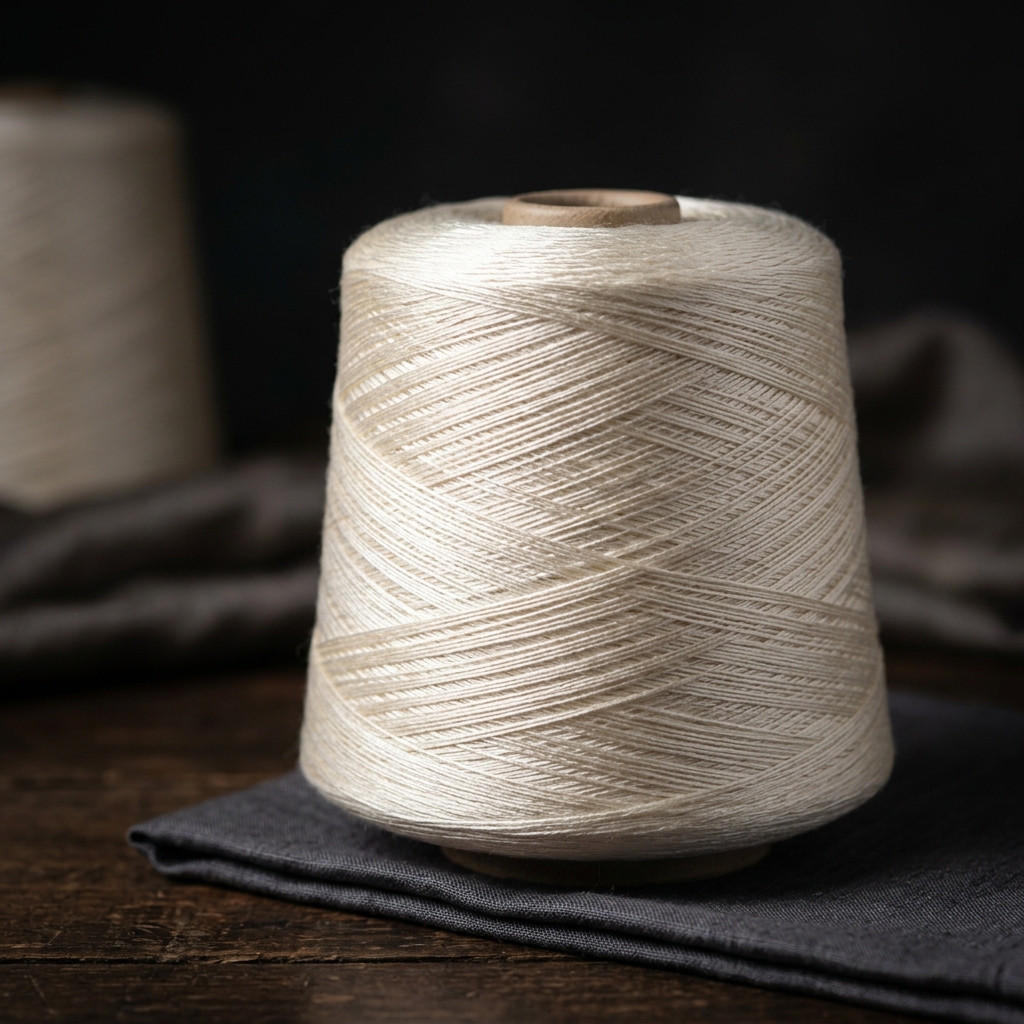
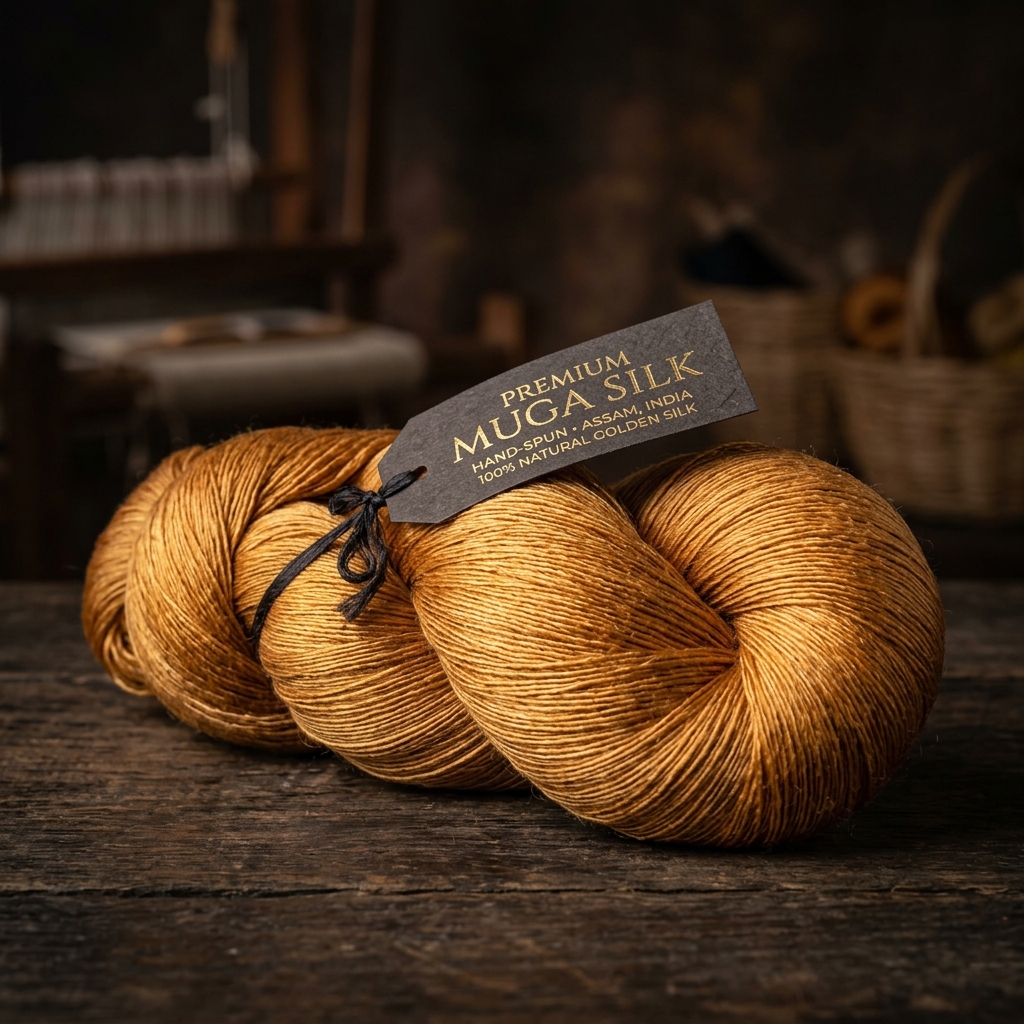
Muga is the rare natural golden silk associated with Assam. SUTAAS supplies Muga yarn lots for premium weaving, embroidery, luxury fabric development, and origin-led collections.
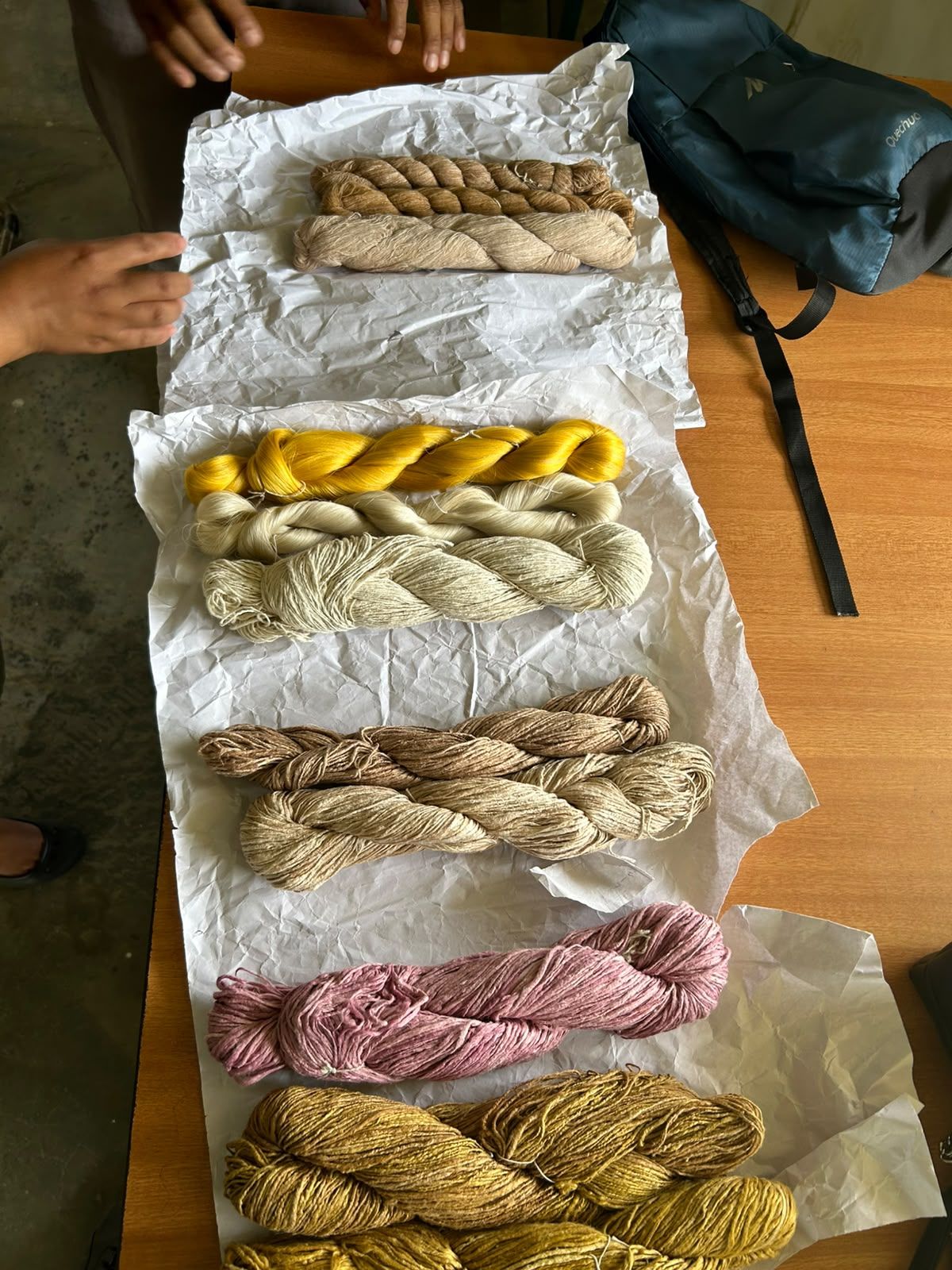
SUTAAS supplies Muga, Paat, Eri Ahimsa and Oak Tasar silk yarn from Assam and Northeast India to textile mills, export houses, designer labels and responsible sourcing teams.
Choose by fibre character, target market, compliance requirement and production plan. Each product page includes technical specs, application fit and document expectations.
Muga is the rare natural golden silk associated with Assam. SUTAAS supplies Muga yarn lots for premium weaving, embroidery, luxury fabric development, and origin-led collections.
Paat is Assam silk tradition in a clean, bright, commercial form. It is selected for fine weaving, printing, dyeing, apparel lining, premium shirting, and blended fabric programs.
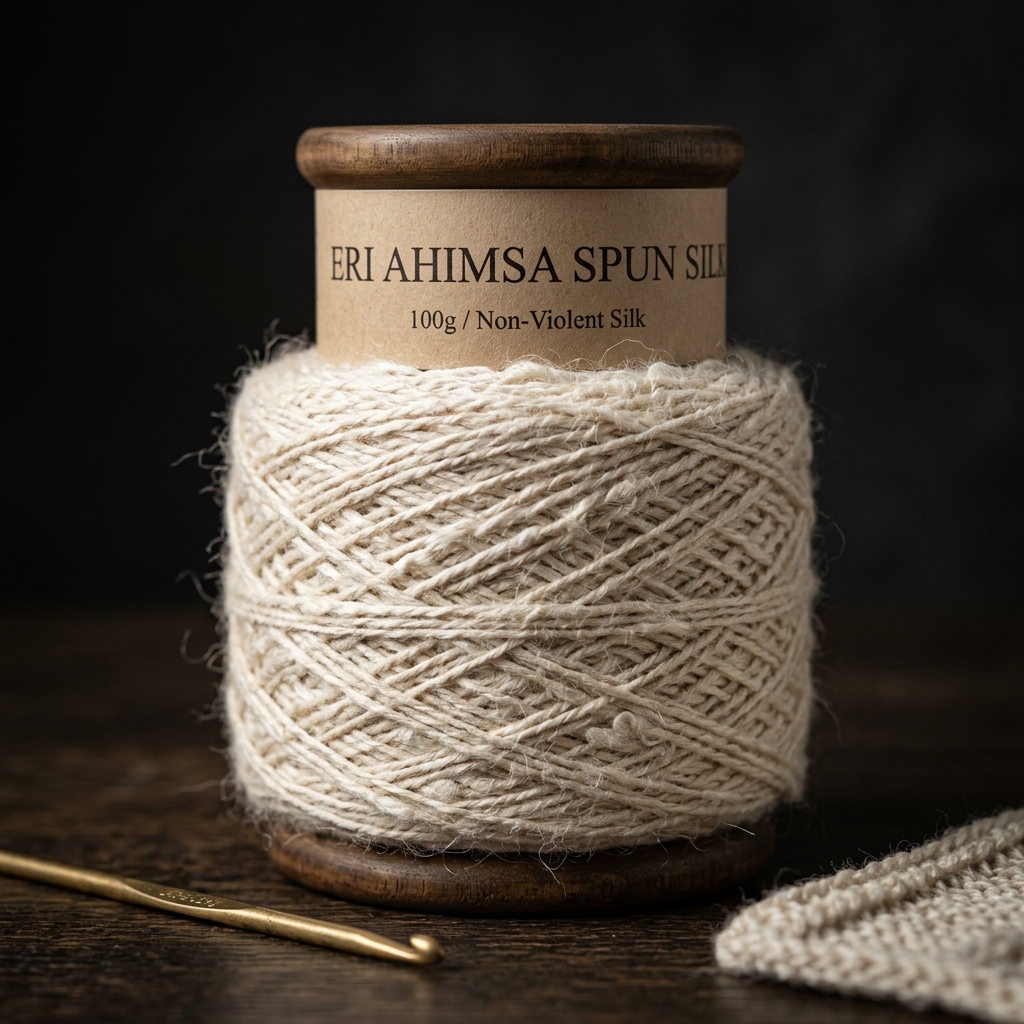
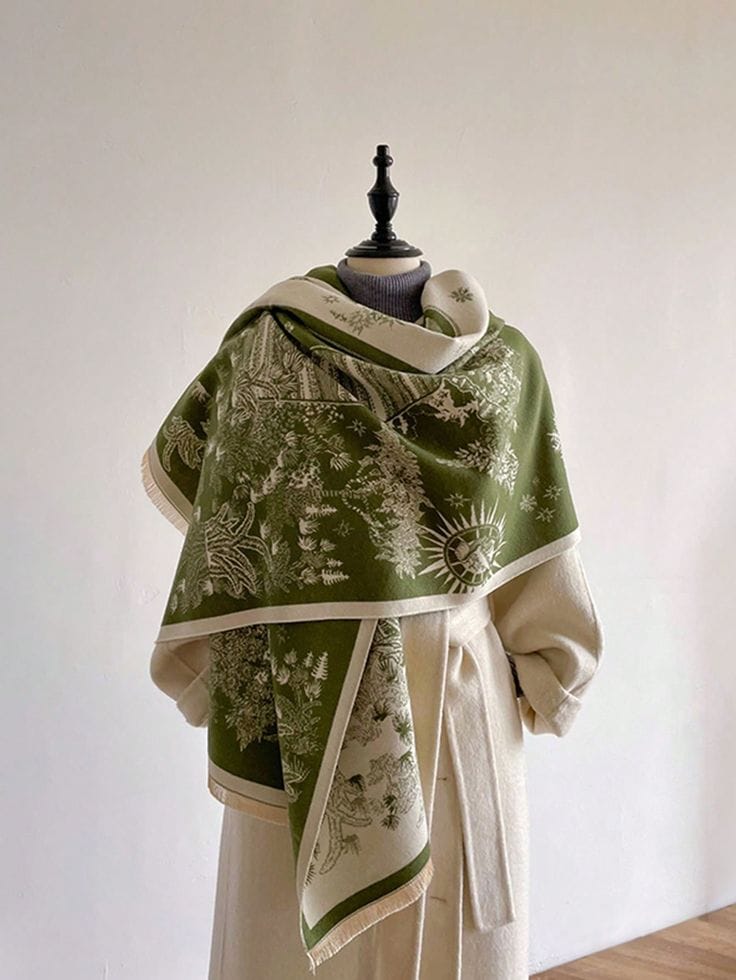
Eri is a spun silk known for its matte handle, warmth, and ahimsa processing. It is a strong fit for ethical fashion, knitwear, shawls, scarves, and wool-alternative programs.
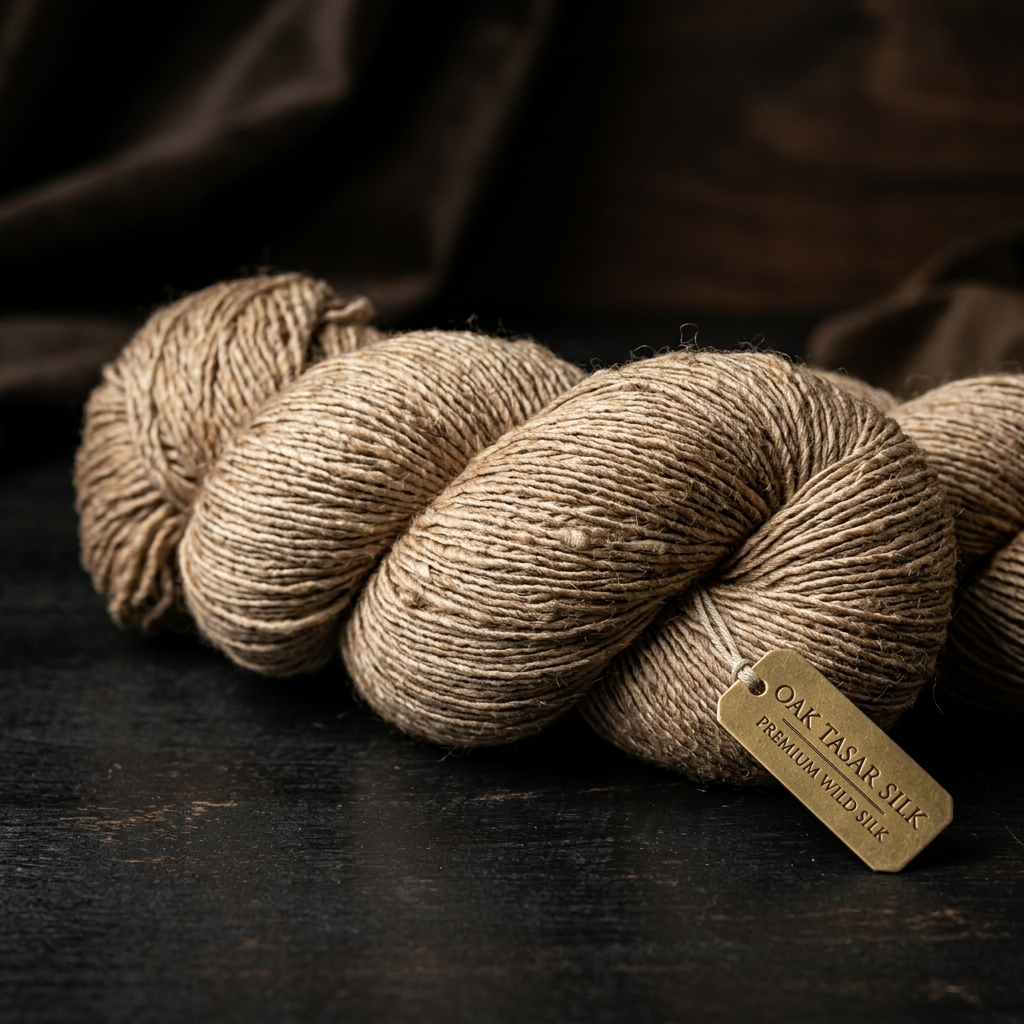
Oak Tasar is a seasonal wild silk with a firm handle, natural earth tone, and strong craft appeal. It suits natural dye projects, textured apparel, interior textiles, and limited edition collections.
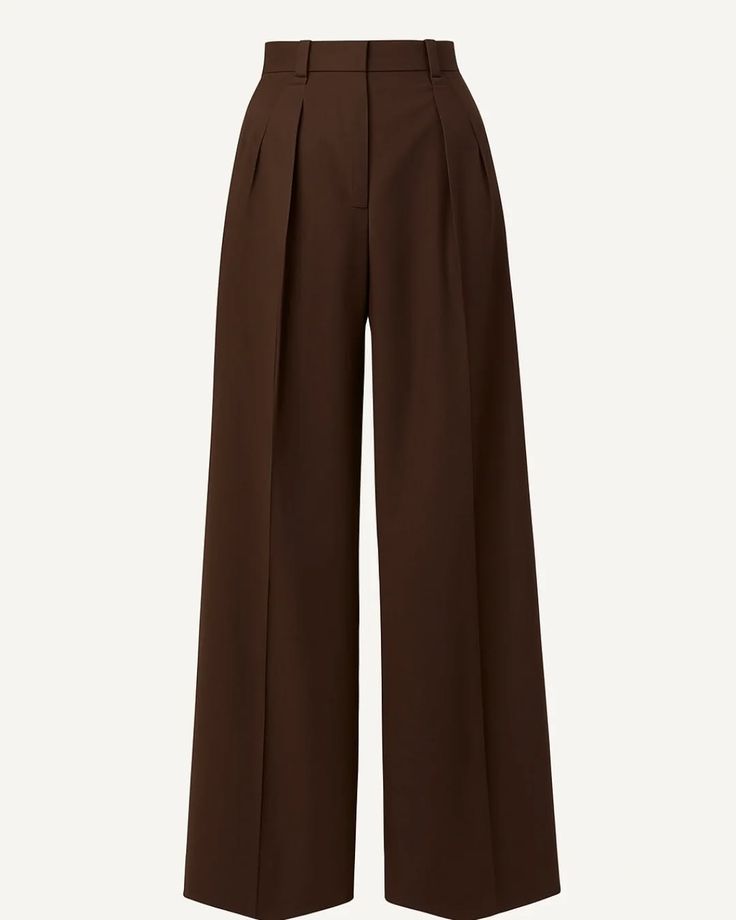
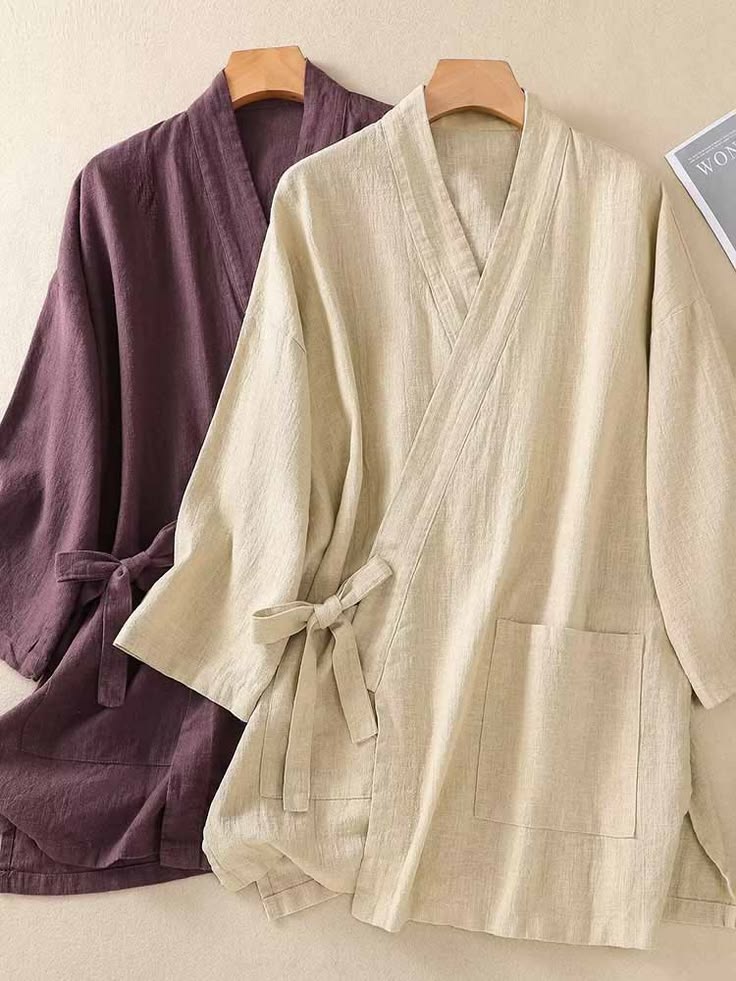
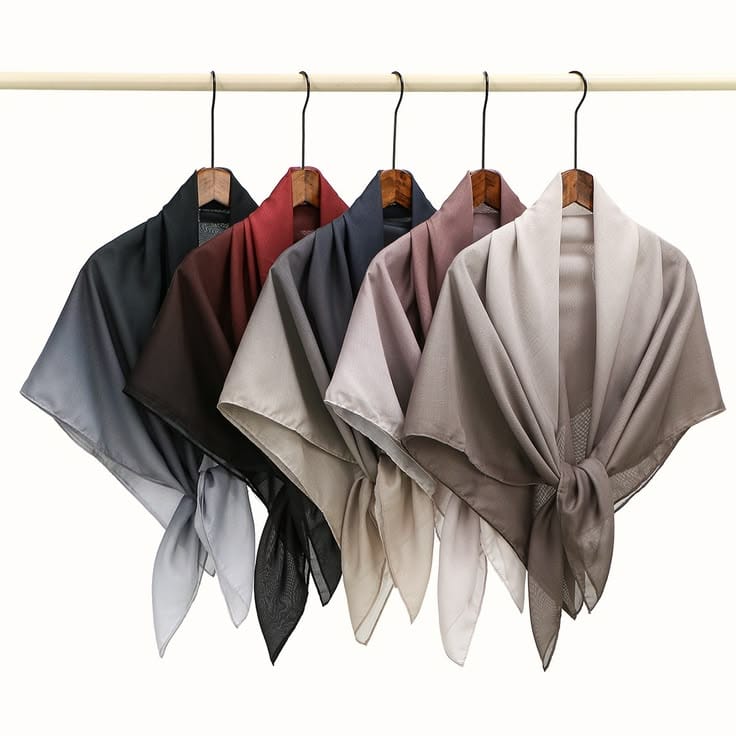
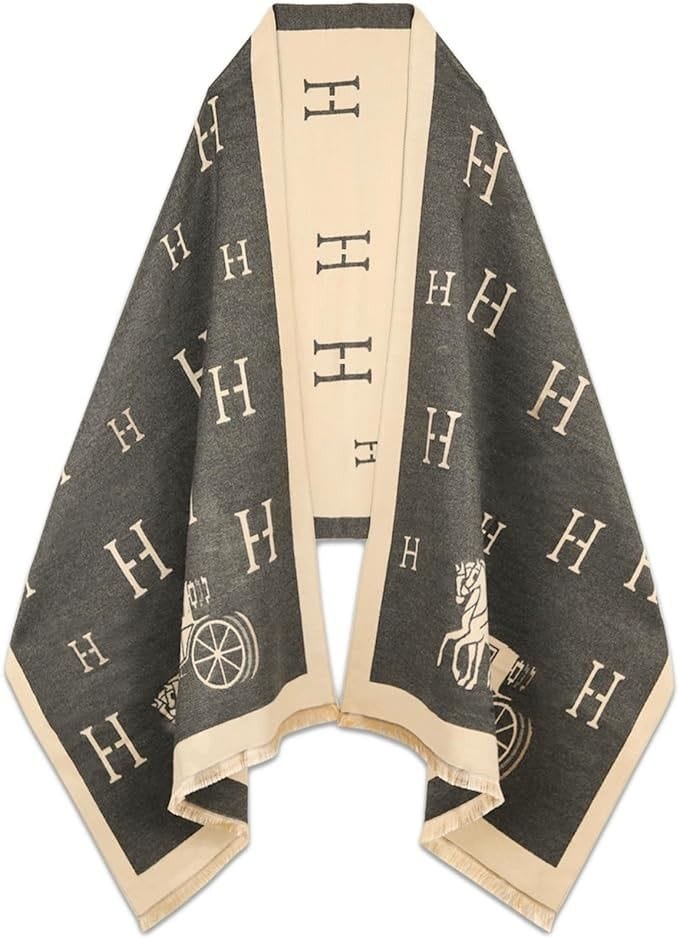
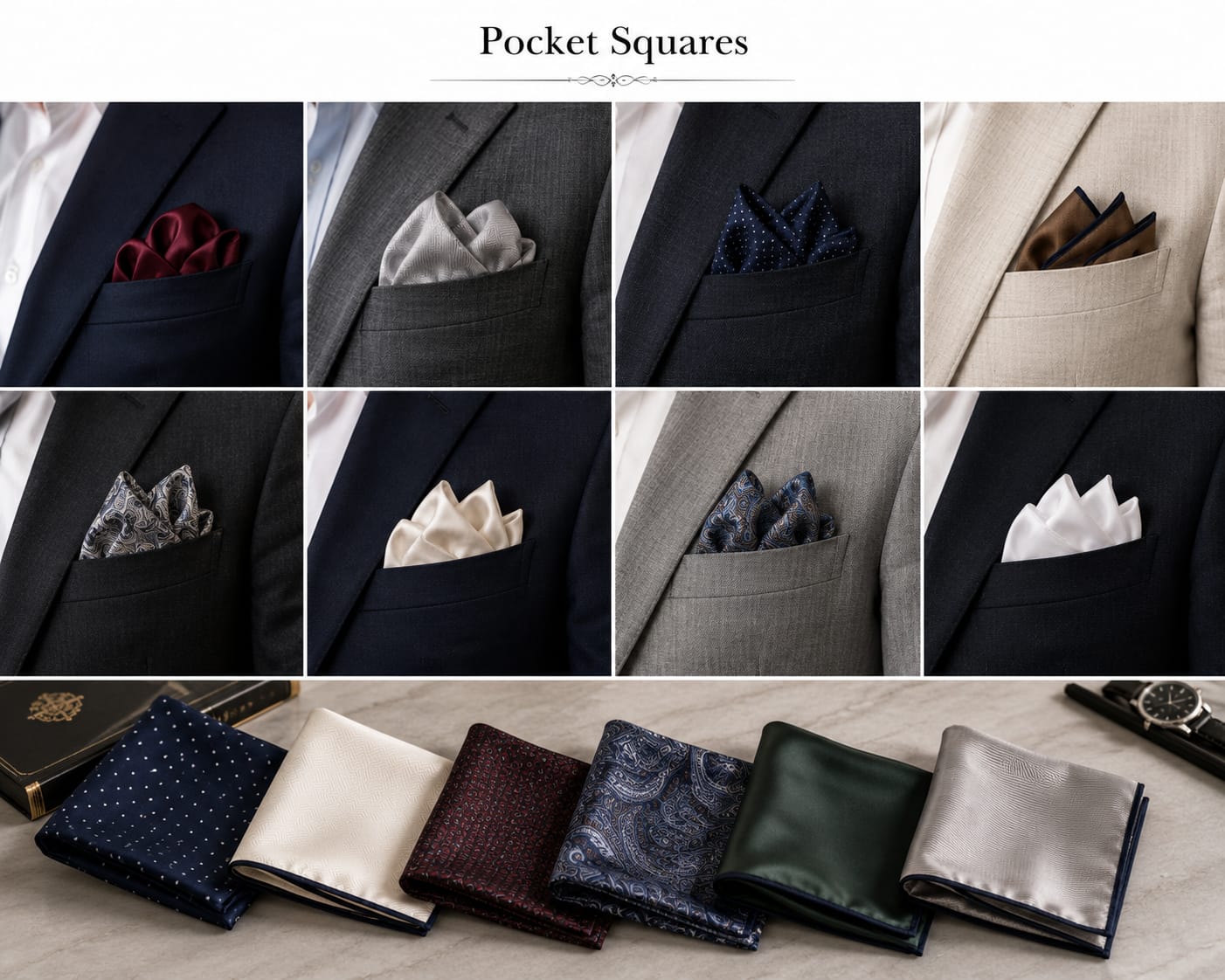
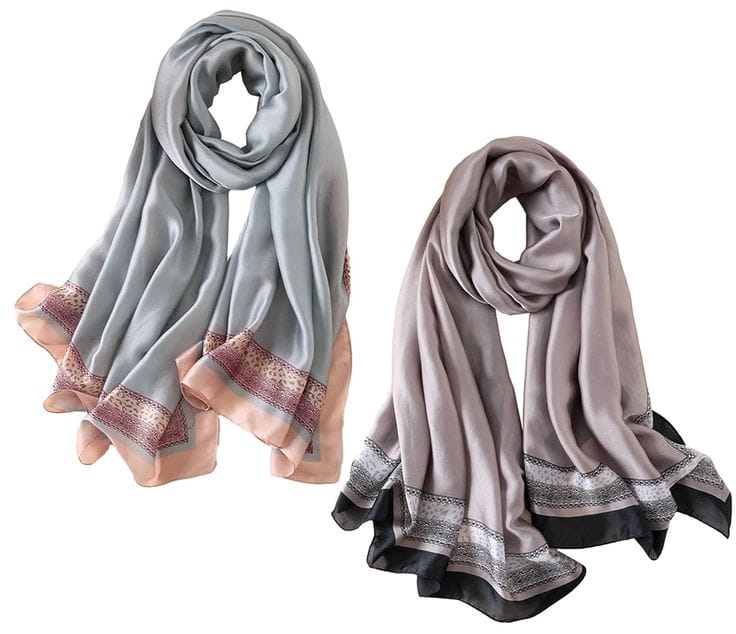
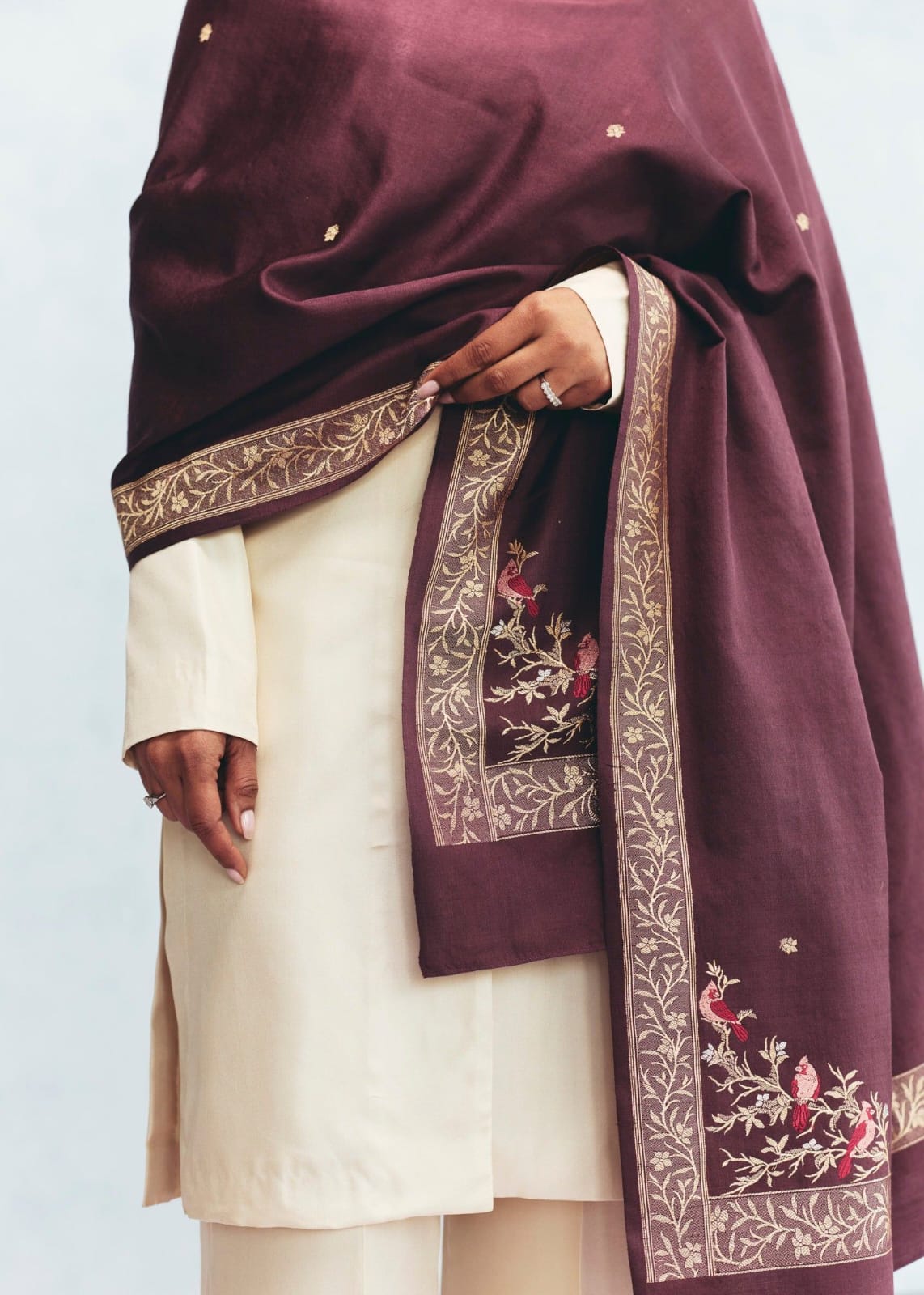
From apparel to home furnishing, each piece is crafted from Northeast India silk yarn. Browse our ready-to-export catalogue.
Seven carefully crafted steps — from silk cocoon harvest in Northeast India to finished export-ready product.
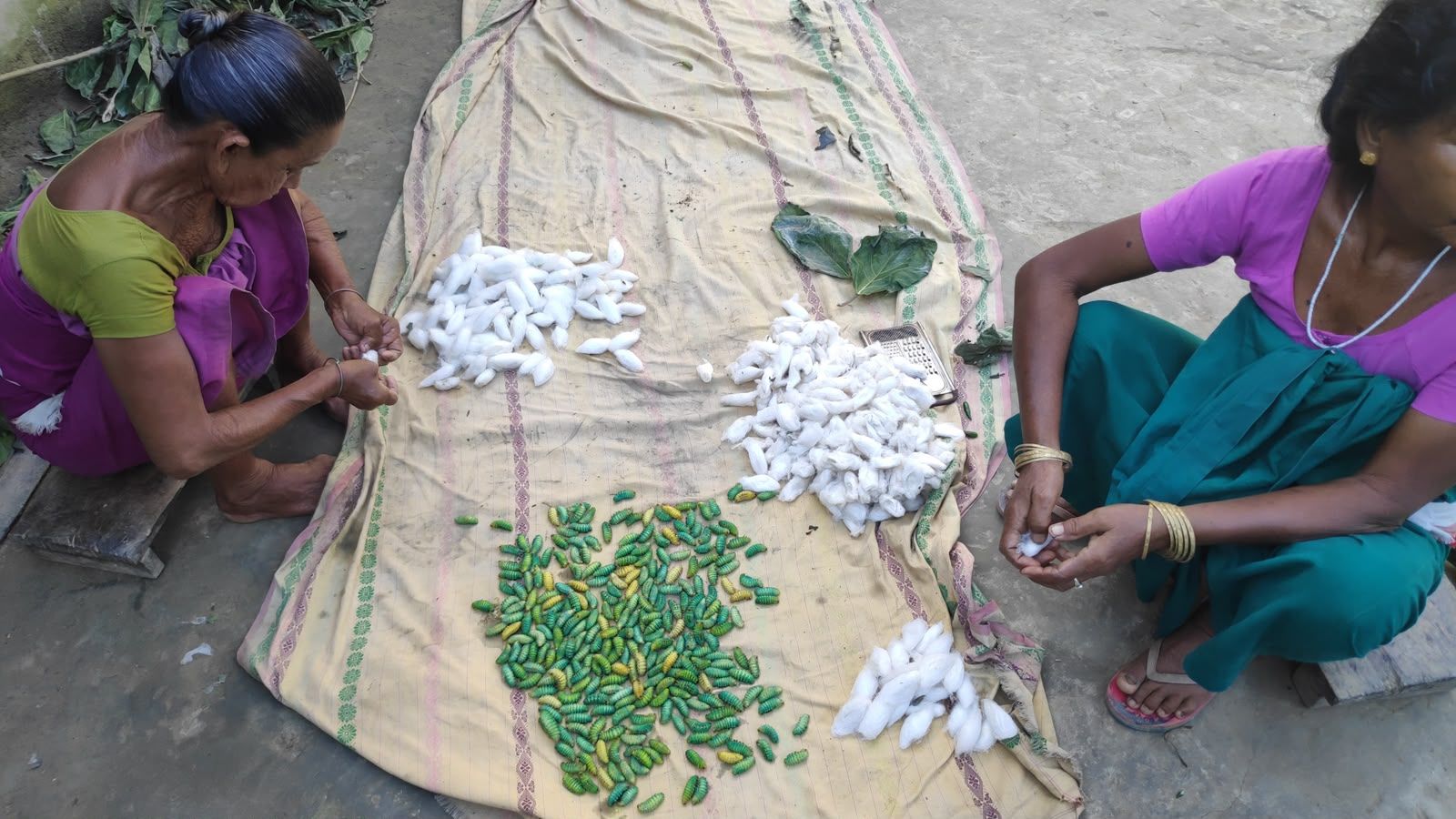
Hand-harvested silk cocoons from sericulture farms across Northeast India — sorted by species, size and quality before processing begins.
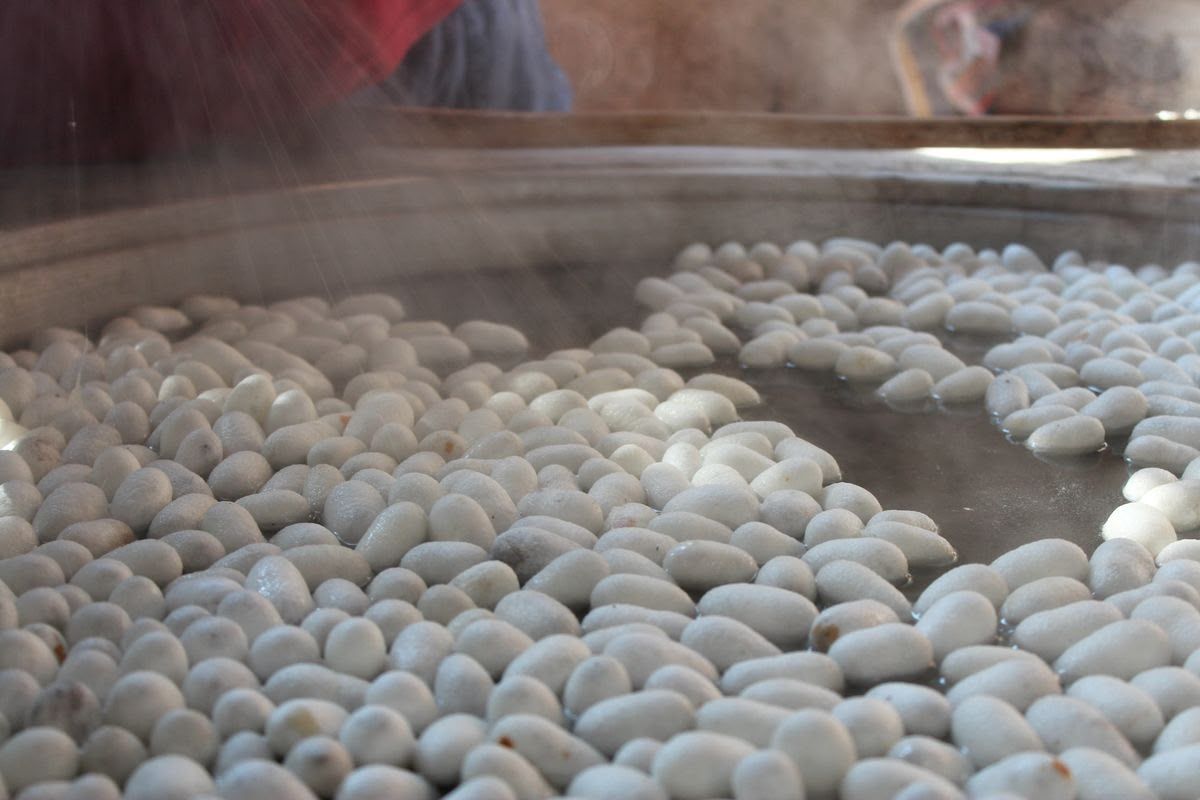
Cocoons are boiled in water to remove the sericin gum layer, softening and separating the fine continuous silk filaments inside.
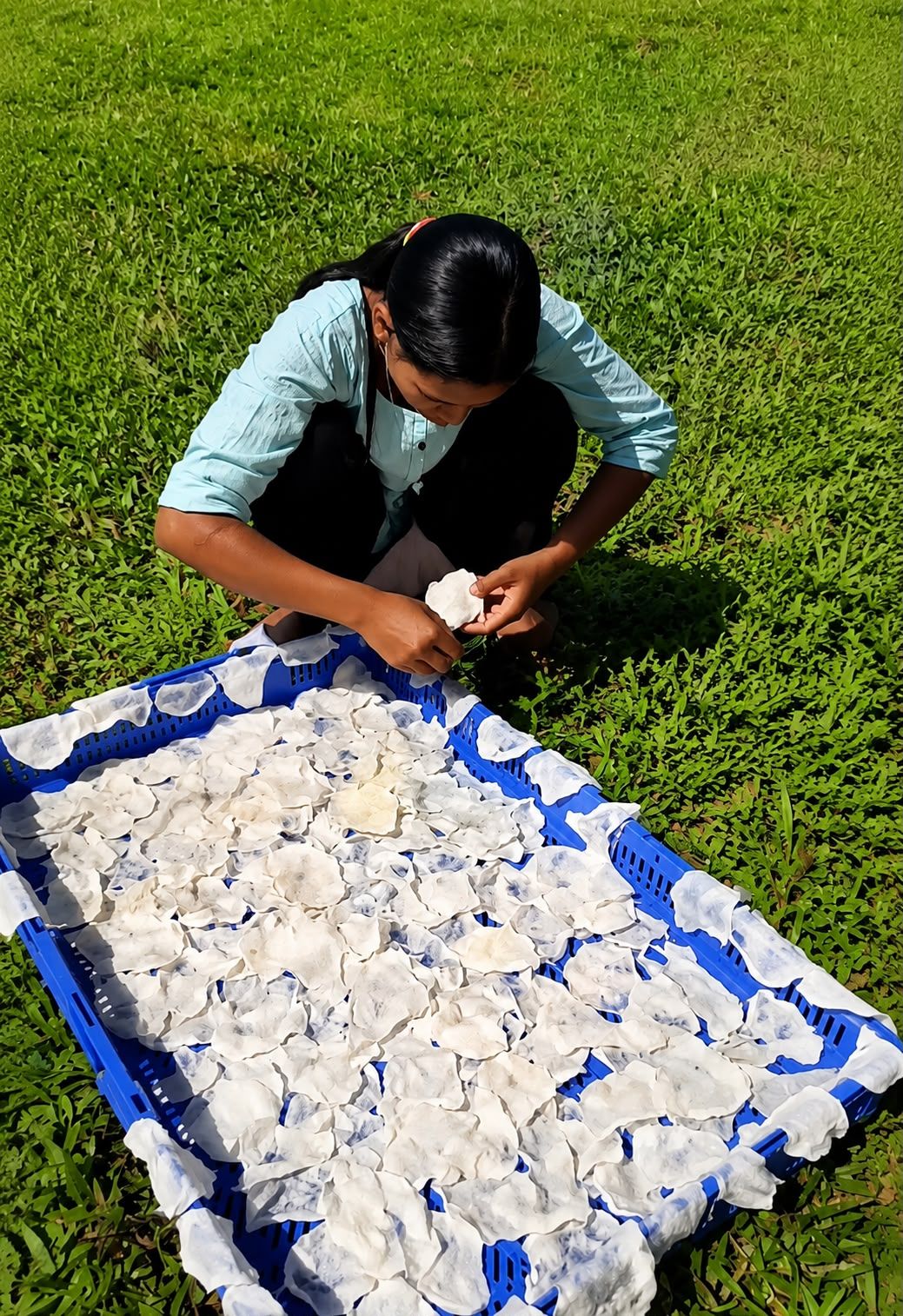
Degummed cocoons are spread on open trays and sun-dried in fresh air, preserving the filament integrity and natural lustre.
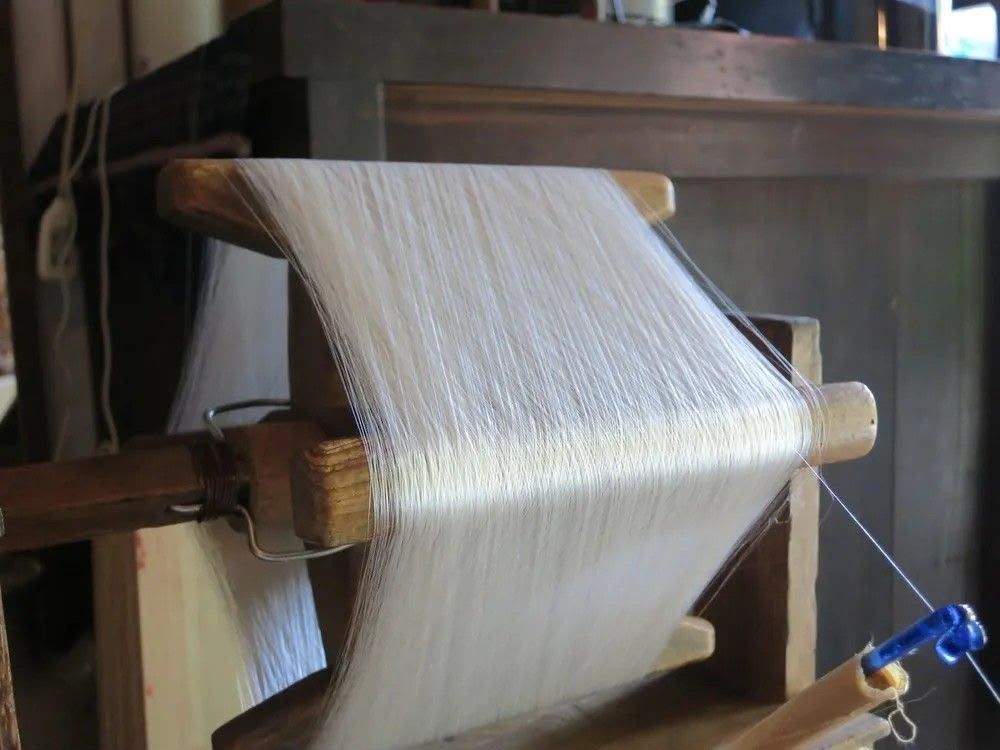
Dried filaments are drawn onto traditional reeling frames and spun into fine silk thread — tight, even and export-consistent.
Threads are twisted, plied and wound into export-grade silk yarn hanks — graded by count, species and form for buyers.
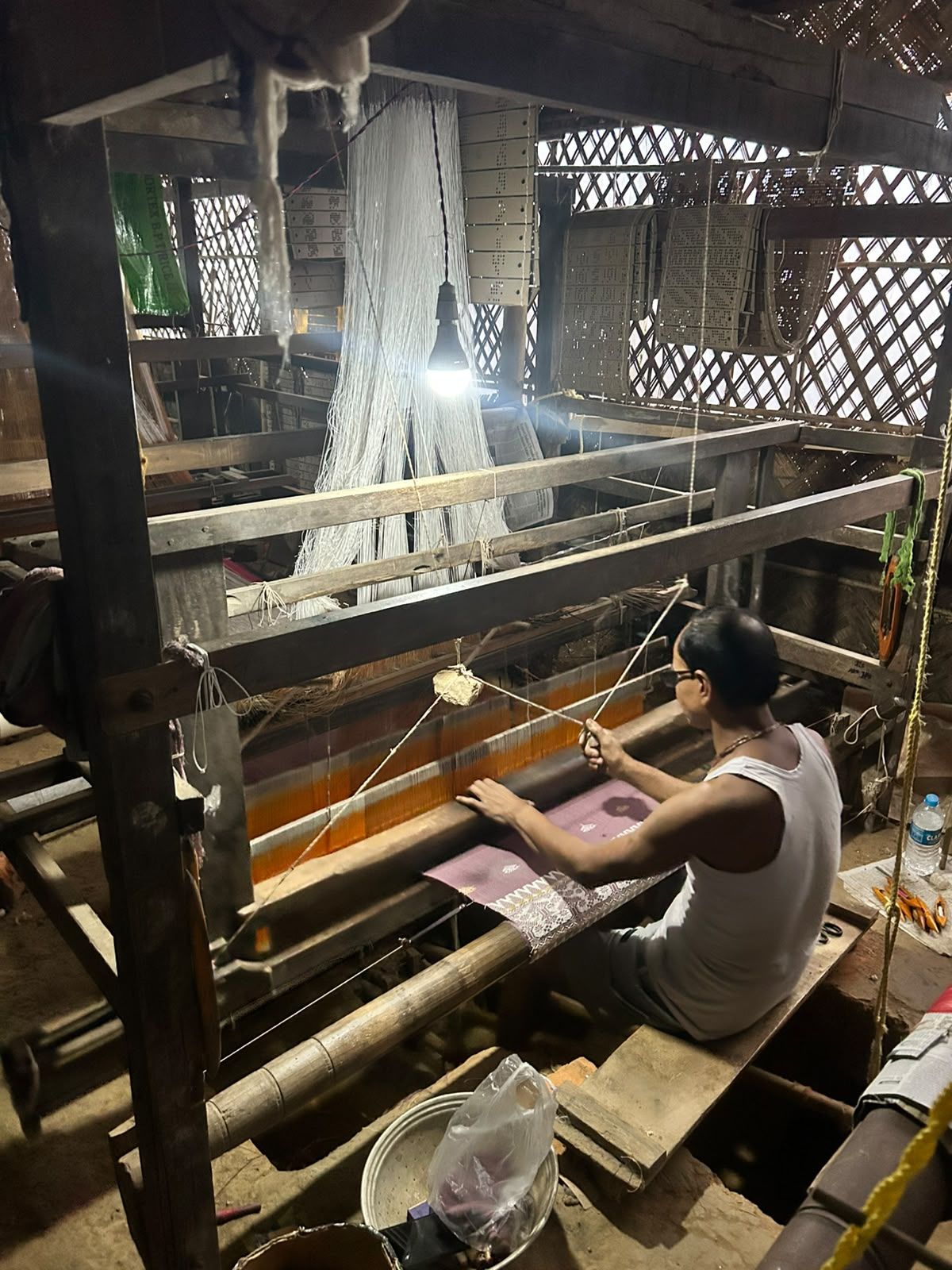
Yarn is loaded onto handlooms by skilled weavers and woven into fine silk fabric — producing textiles with traditional Northeast India character.
Finished silk becomes scarves, stoles, shawls and home textiles — export-ready with lot records, origin notes and buyer documentation.
SUTAAS is designed for buyers who need a professional bridge between rural sericulture and international procurement standards.
Count, form, end-use, country, testing, MOQ, Incoterms and target delivery window are fixed before sampling.
Reference skeins are dispatched with origin notes and provisional pricing. Commercial lots are reserved after approval.
Each batch is checked for count, colour, form, moisture and buyer-specific test needs before export paperwork begins.
Shipment documents, CoO, courier tracking and lot references are shared through a single trade desk.
Silk export compliance depends on exporter registration, shipment documents, origin proof, product claims and destination-market requirements. SUTAAS keeps those layers visible to buyers.
Importer Exporter Code is the core business identification required for goods export from India unless specifically exempted.
Registration-cum-Membership Certificate validates the exporter with an authorised export promotion body. Silk exporters normally work with the Indian Silk Export Promotion Council.
Preferential or non-preferential CoO is issued through the DGFT common digital platform or authorised agencies, depending on destination and trade agreement.
Commercial invoice, packing list, shipping bill or bill of export, bill of lading or airway bill, insurance, and buyer-specific declarations.
Registered GI terms such as Muga Silk of Assam should be used only for eligible goods and authorised-user supply chains.
Silk Mark, CSB-linked testing, Oeko-Tex, GOTS pathway documents, azo-free tests, REACH declarations, or fibre reports can be added when the buyer contract requires them.
Compliance note: buyer destination, HS classification, Incoterms and contract terms can change required certificates. The site language is written to avoid unsupported GI or sustainability claims.
Feedback from procurement leads, sourcing managers and design studios who have sampled and ordered through SUTAAS.
“Lot consistency was the deciding factor for us. The count and moisture figures matched across three separate shipments. CoO and test reports were ready before we even asked.”
“We needed origin documentation that could stand up to our sustainability audit. SUTAAS provided cluster-level sourcing notes and sample photographs that went straight into our material passport.”
“The trade desk handled everything — invoice, packing list, CoO and the REACH test report — in a single communication thread. No chasing, no missing documents at port.”
Send the target fibre, count, volume, destination country and intended use. The trade desk will respond with sampling options and documentation notes.
Thank you. The SUTAAS team will get back to you shortly.